


Pressed Barley Rice
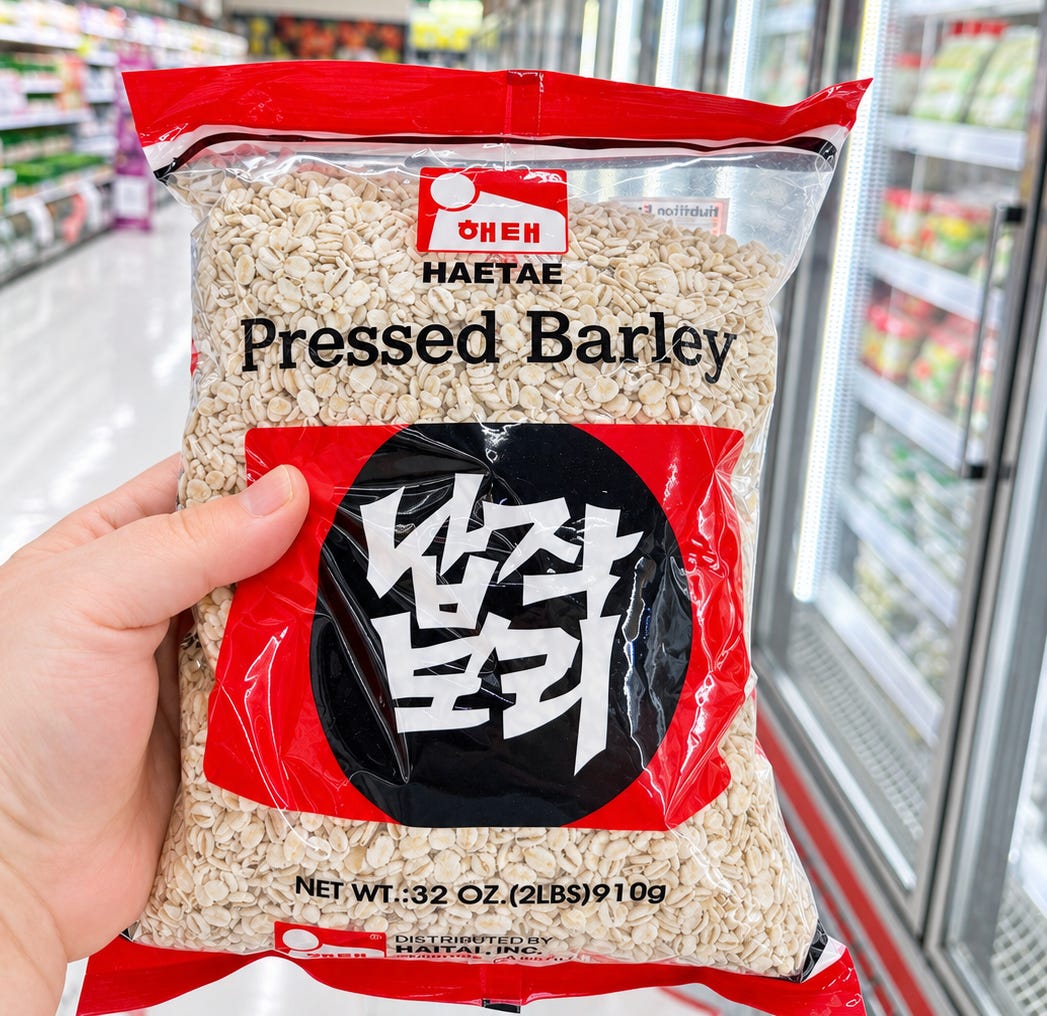
One of my favorite ways to add more fiber to white rice is by mixing in pressed barley. In Japan, it’s known as mugimeshi, while Korea has a similar tradition of adding barley to rice dishes like boribap. The barley adds a slightly nutty flavor and a wonderful chewy texture while making an everyday bowl of rice more nourishing and supportive of digestive health.
How to make it: Rinse 1 cup of white rice and add ¼ cup of pressed barley. Add the usual amount of water for your rice, plus an extra ½ cup for the barley. Cook in your rice cooker as usual, then let it rest for 10 minutes before fluffing and serving. Adjust the water according to your barley’s package instructions.
Soup Tea Bags (Dashipack)
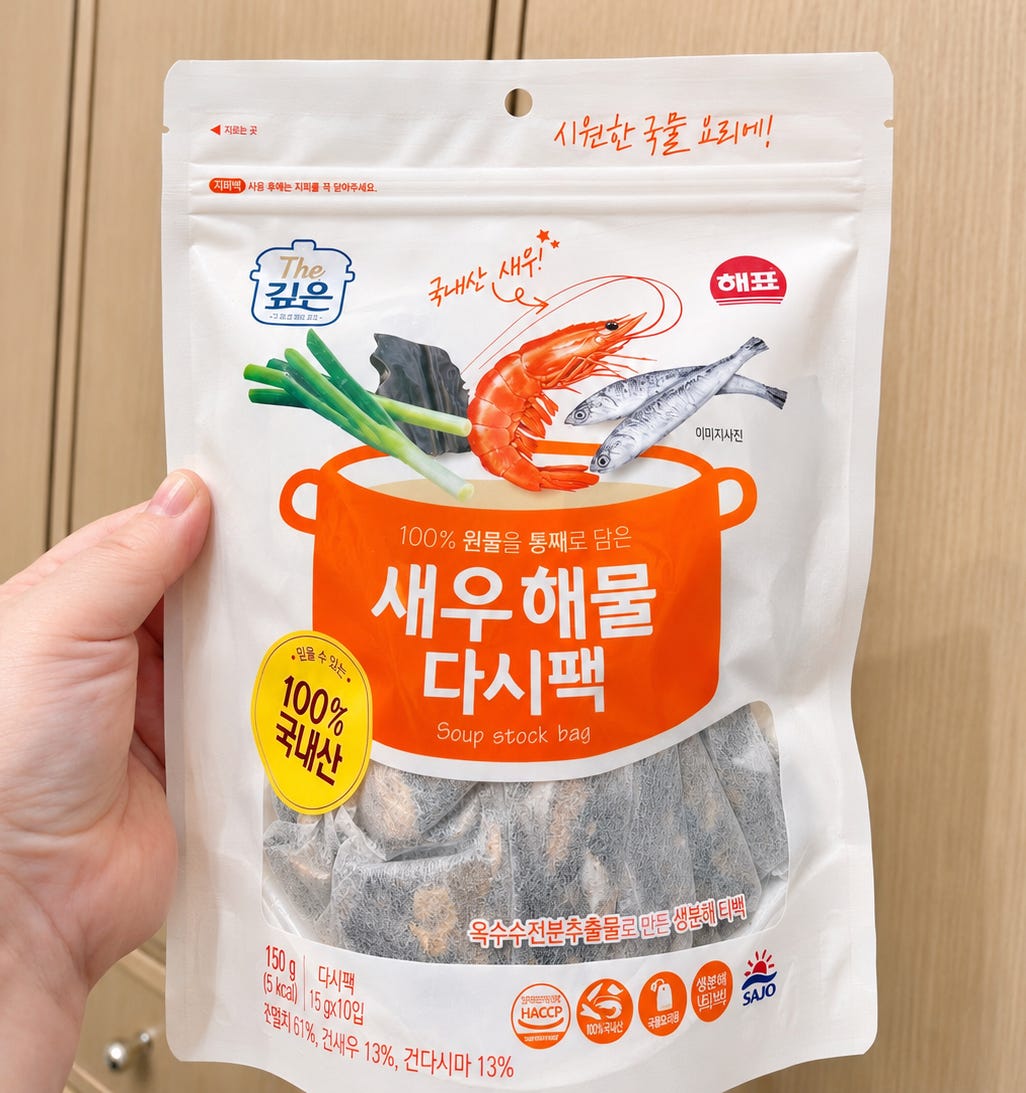
These little Korean soup stock bags are one of my favorite shortcuts for making a flavorful, mineral-rich broth. They’re filled with traditional ingredients like dried anchovies, shrimp, and kelp (no other added ingredients), which give soups and stews a wonderful savory, umami flavor. Think of them as tea bags for your broth!
How to use: Add one stock bag to 3–4 cups of water, bring to a gentle boil, and simmer for 10–15 minutes. Remove the bag and use the broth as a base for soups, stews, noodles, or even cooking rice. No need to strain anything!
Japanese Ramen Noodles
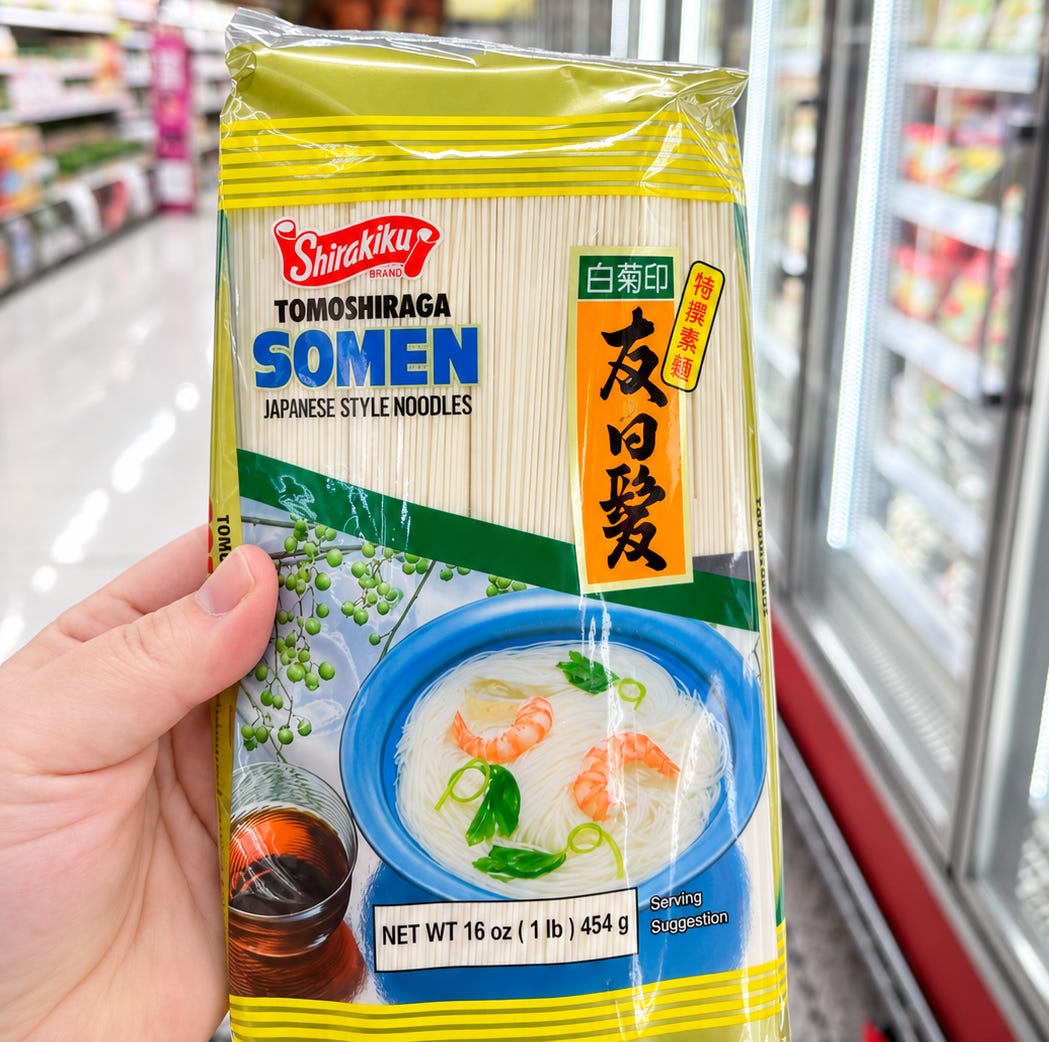
A good bowl of ramen starts with a delicious broth, but the quality of the noodles makes all the difference. You’d be surprised how much better homemade ramen tastes when you use authentic Japanese ramen noodles instead of the typical instant varieties. Your local Asian grocery store is a great place to find high-quality noodles made in Japan specifically for ramen.
How to use: Cook the noodles separately according to the package instructions, drain, and add them to your hot broth just before serving. This keeps the noodles from soaking up too much broth and becoming mushy.
Japanese Bonito Flakes (Katsuobushi)
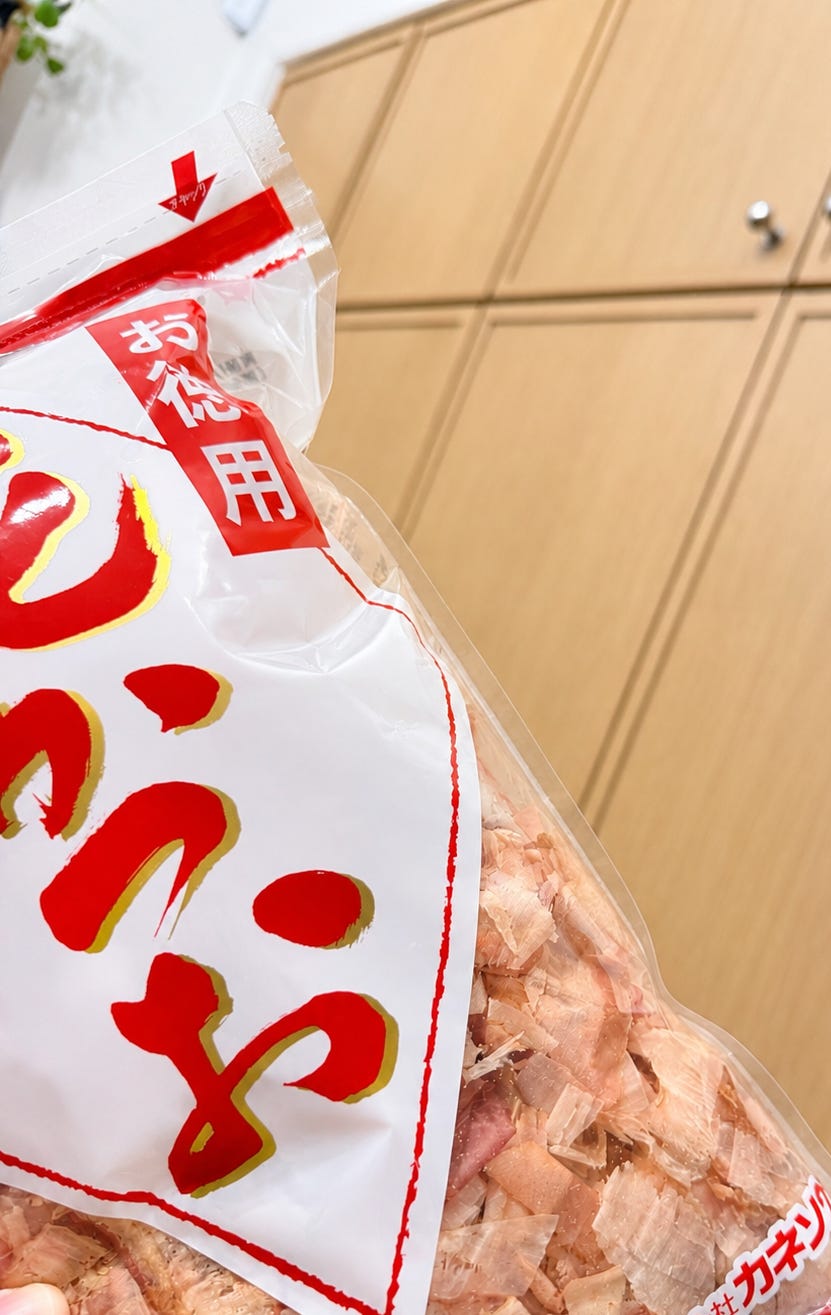
Bonito flakes are thin shavings of dried, smoked, and fermented fish that have been used in Japanese cooking for centuries. They’re packed with savory, umami flavor and are one of the key ingredients in traditional Japanese dashi broth. I love keeping these stocked because a small handful can add so much flavor to an otherwise simple dish without the need for artificial flavor enhancers.
How to use: Add a handful to hot water with a piece of dried kombu (kelp) to make traditional mineral rich Japanese dashi broth in minutes. You can also sprinkle them over rice, vegetables, noodles, or soups for an extra boost of savory flavor.
Daikon Radish
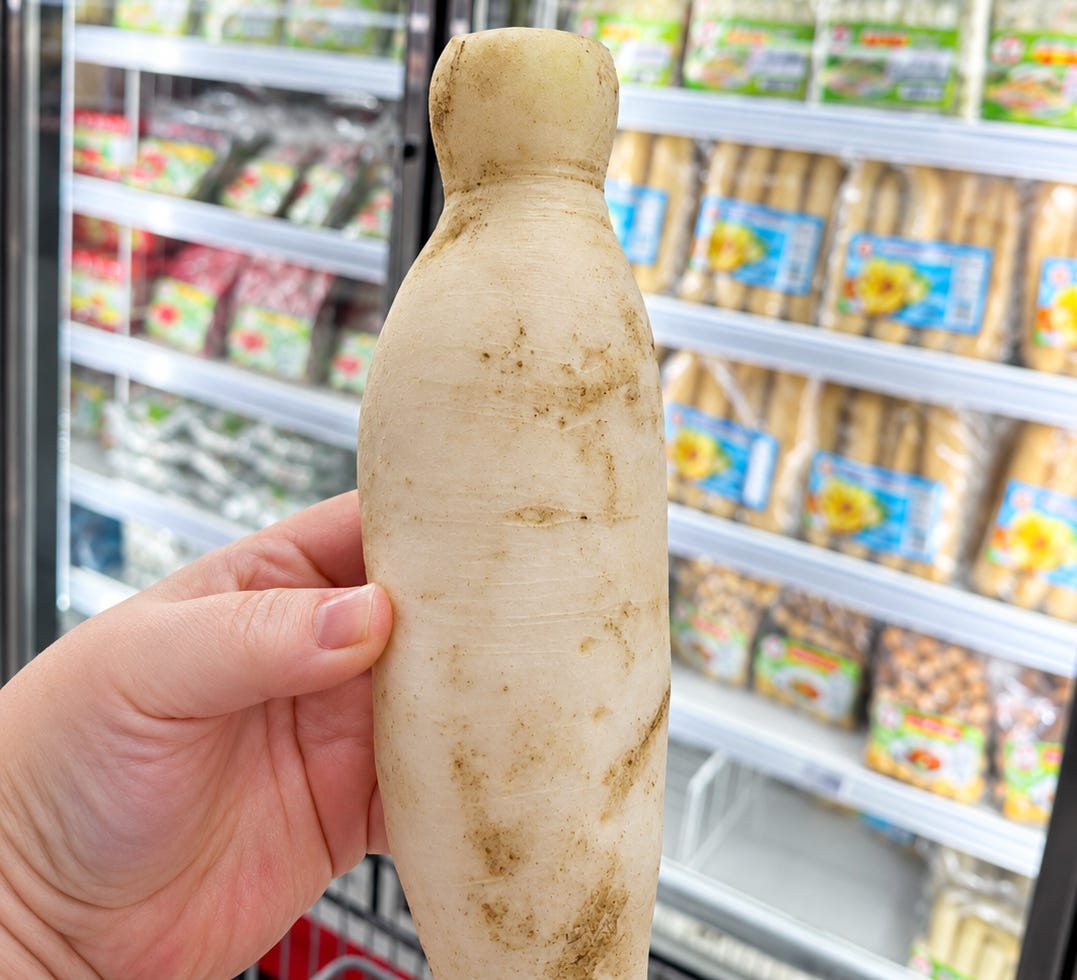
Daikon radish has been used for centuries in Traditional Chinese Medicine (TCM), where it’s valued for its ability to support digestion, relieve bloating, clear phlegm, and help move stagnant qi. It’s considered a cooling food and has long been incorporated into traditional soups and broths for its medicinal properties.
In traditional Chinese food therapy, daikon is often eaten after heavy, rich meals to help with feelings of fullness, sluggish digestion, and food stagnation. It’s also traditionally used when dealing with excess phlegm, congestion, or a lingering cough, perfect addition to winter soups when your feeling ill. I love how something as ordinary as a radish has such a long history of medicinal use.
How to use: Peel and slice daikon into thick rounds or cubes and simmer in chicken, beef, or pork broth until tender. It develops a wonderful mild sweetness and absorbs the flavor of the broth. You can also grate it into rice dishes, pickle it, or add it to stews.
Dried Kelp (Kombu)
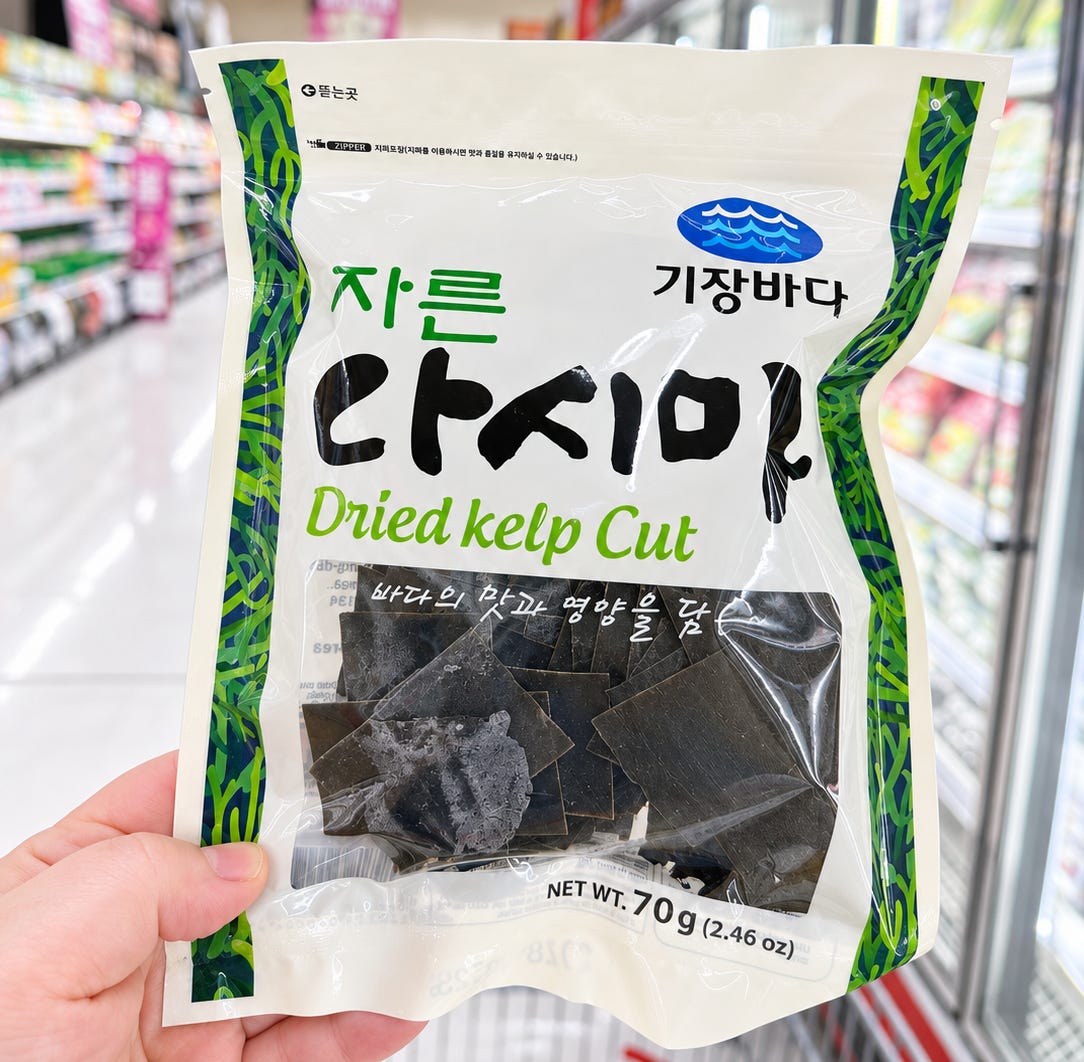
Dried kelp is one of my favorite ingredients to keep stocked for soups and broths. This mineral-rich sea vegetable is naturally packed with iodine, which supports thyroid hormone production, along with potassium, magnesium, calcium, and other trace minerals. It’s been a staple in traditional Asian cooking for centuries, valued for both its nutritional benefits and its ability to add a wonderful savory, umami flavor to food.
How to use: Add a small piece of dried kelp to soups, stews, or homemade bone broth while simmering. You can also use it to make traditional Japanese dashi stock. A little goes a long way, both for flavor and iodine, so there’s no need to use large amounts, just 1-2 pieces.
Japanese Sweet Potatoes
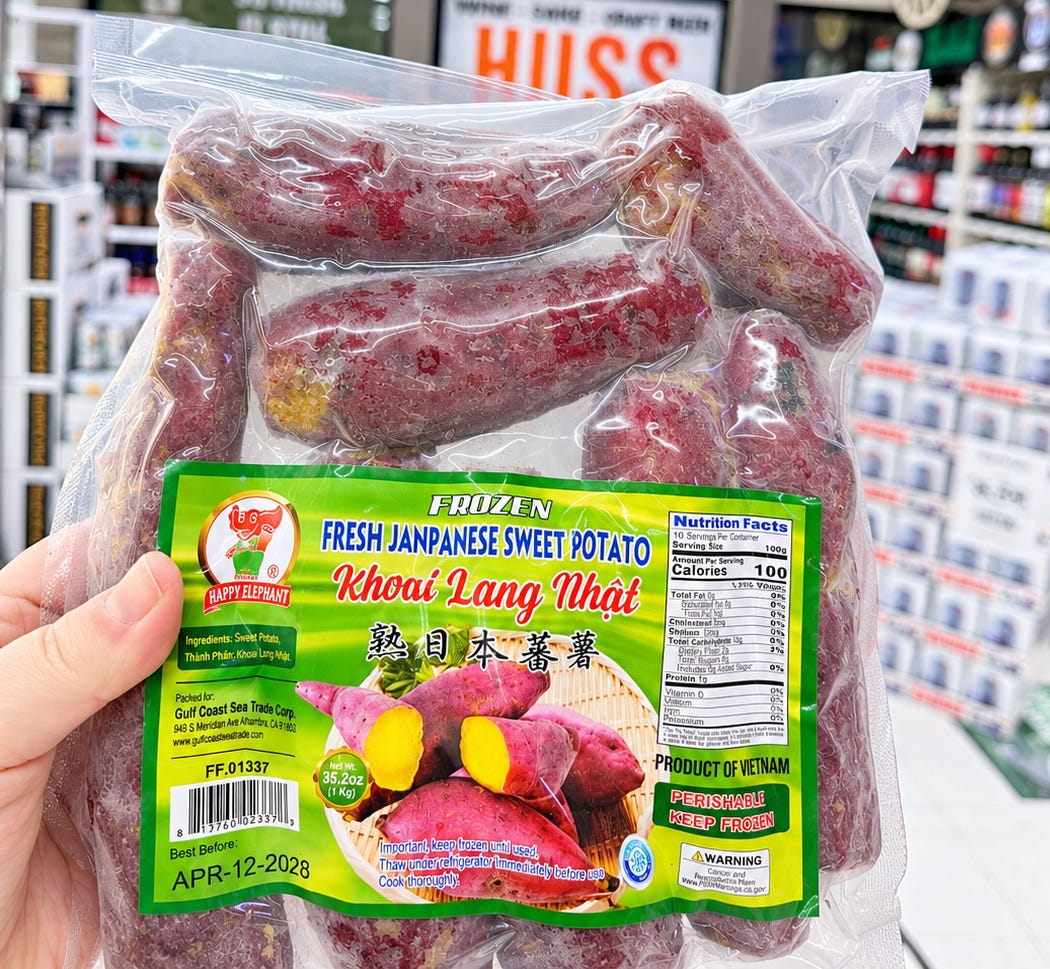
Japanese sweet potatoes are one of my favorite sources of clean, nourishing carbohydrates. They’re naturally sweet, easy to digest, and provide potassium, fiber, and antioxidants. They’re also a wonderful source of energy and have a delicious, almost chestnut-like flavor.
What I love about these particular ones is that they’re already cooked and frozen! Such an easy way to have a healthy, nourishing carbohydrate ready when you’re busy or need to put together a quick meal.
How to use: Simply reheat from frozen by steaming, microwaving, or warming in the oven. Serve with a little butter and sea salt, alongside eggs for breakfast, or as a side with your favorite protein.
Azuki Beans (Adzuki Beans)
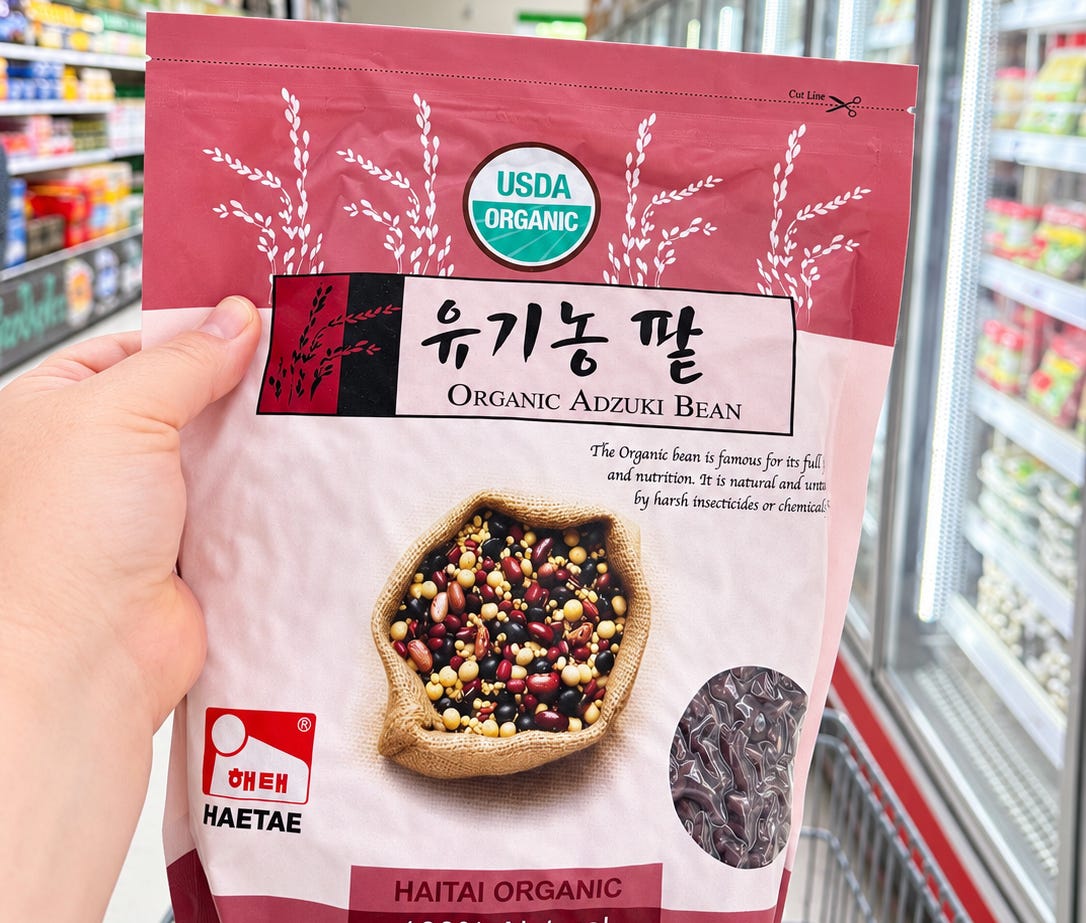
Azuki beans have been a staple in Japanese, Chinese, and Korean households for centuries, valued for both their nutritional and medicinal properties. They are such a valued bean they are used in many traditional medicine systems like Traditional Chinese Medicine (TCM), they’re known as chi xiao dou and are traditionally used to support healthy fluid balance, promote urination, and help clear excess dampness from the body. They’re not just a delicious food but a prescribed medicine! How cool is that?
They’re also a wonderful source of plant-based protein, fiber, iron, potassium, and folate. I love how these little red beans have been used in everything from nourishing soups and rice dishes to traditional desserts.
How to use: Soak dried azuki beans overnight, then drain and simmer in fresh water for 45–60 minutes, or until tender (they cook fast compared to other beans like pinto beans). Add them to soups, stews, or rice dishes. You can also cook them with a little sugar to make traditional Japanese red bean paste, known as anko.
Yuca (Cassava Root)
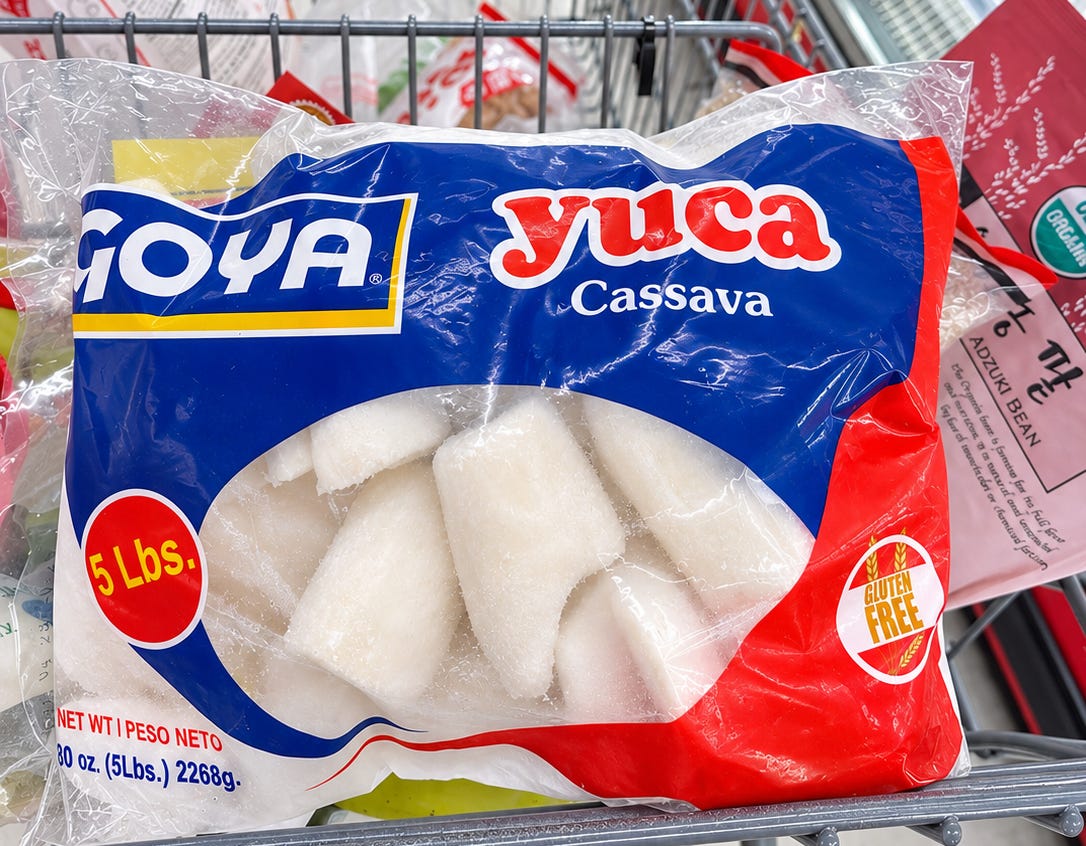
Cassava, also known as yuca, is a traditional starchy root vegetable that has nourished cultures throughout South America, Africa, the Caribbean, and Asia for centuries. It’s naturally gluten-free, low in fat, and a wonderful source of carbohydrates for energy.
Ray Peat often discussed the importance of carbohydrates for supporting metabolism.
What I love about these particular ones is that they’re already peeled, cut, and frozen, making them so easy to incorporate into meals without all the prep work.
How to use: Boil the frozen yuca in plenty of water according to the package instructions until completely tender, then drain and discard the cooking water. Remove any tough, fibrous centers (you can’t miss it it’s looks like a rope) I love mashing it like potatoes with butter, sautéed onions with vinegar, sea salt. It’s also delicious alongside slow-cooked meats or added to traditional stews.
Recipes I love from Instagram
Korean Purple Rice (black rice optional)
Adzuki Beans with Squash (kelp optional)
This is awesome. Grew up with Asian mom and spent lots of time in Asian markets.
One of the easiest ways to incorporate Daikon radish into western diet/palate is this: Cut them into matchsticks and sprinkle salt. Let stand for a few hours. Transfer to clean large mason jars and top with water. Cover. Let the jars sit out for a week or so. They are smelly (!).
You will have these salty, barely fermented CRUNCHY non-sour ‘pickles’.
Put a few spoonfuls in a bowl and drizzle with sesame oil. Any dampness in the body in the form of phlegm, post nasal drip, mild edema, bloating, thick tongue coating will all disappear overnight.
Daikon is a MAGICAL vegetable.
oooh! Love this, thank you for sharing!! going to add a bunch of these to my list the next few weeks